Theatrum Mnemosynes


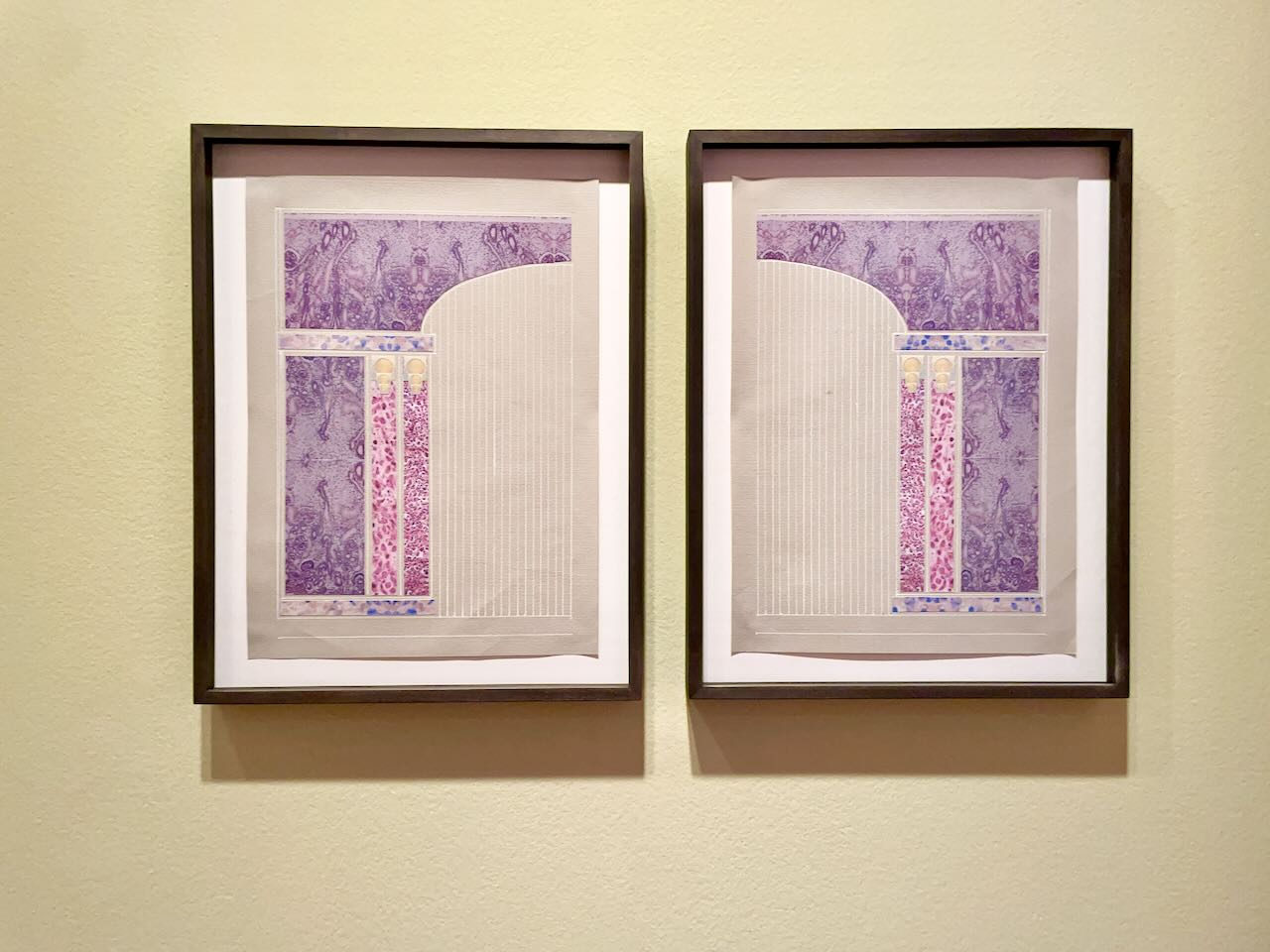


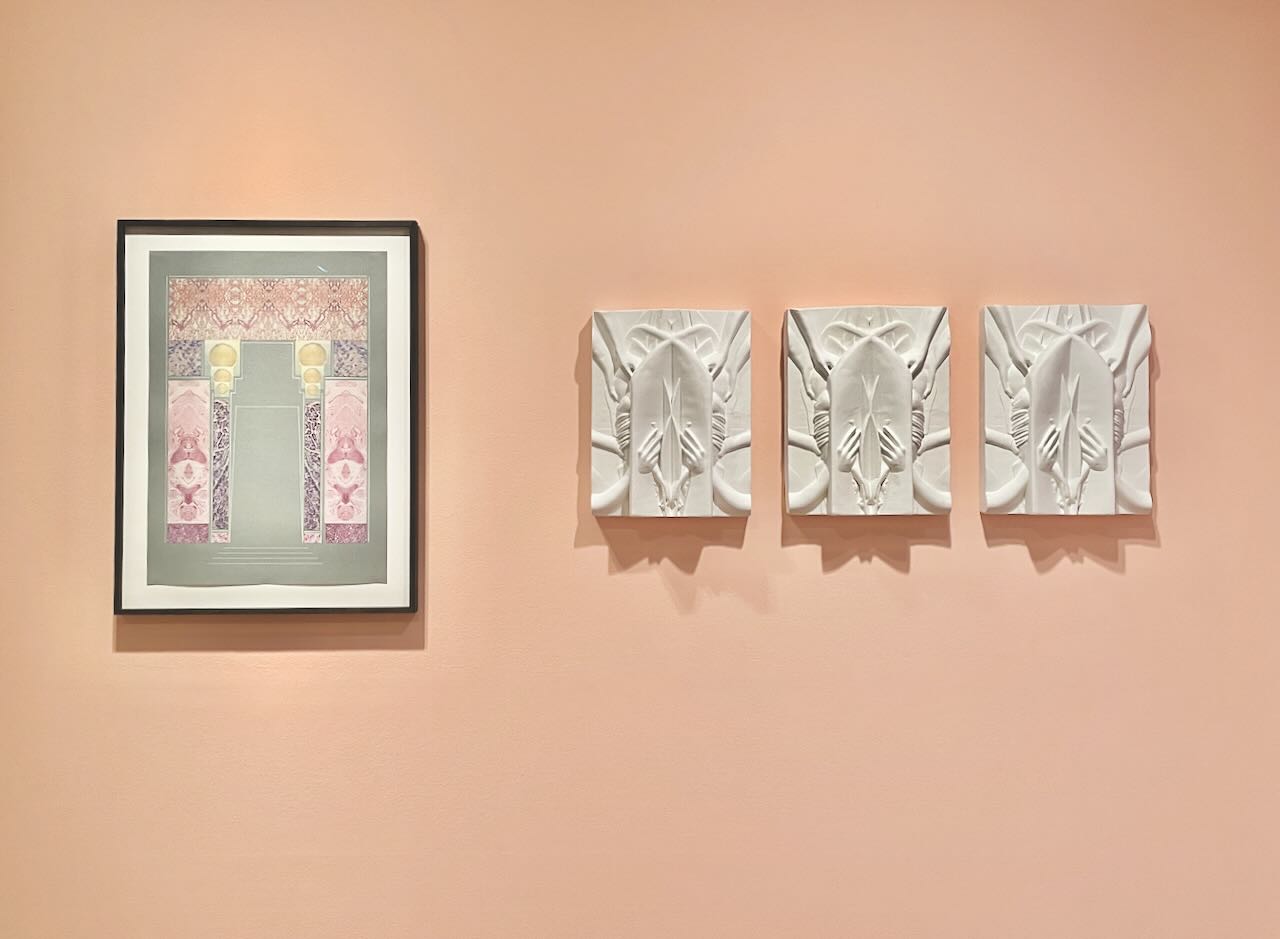

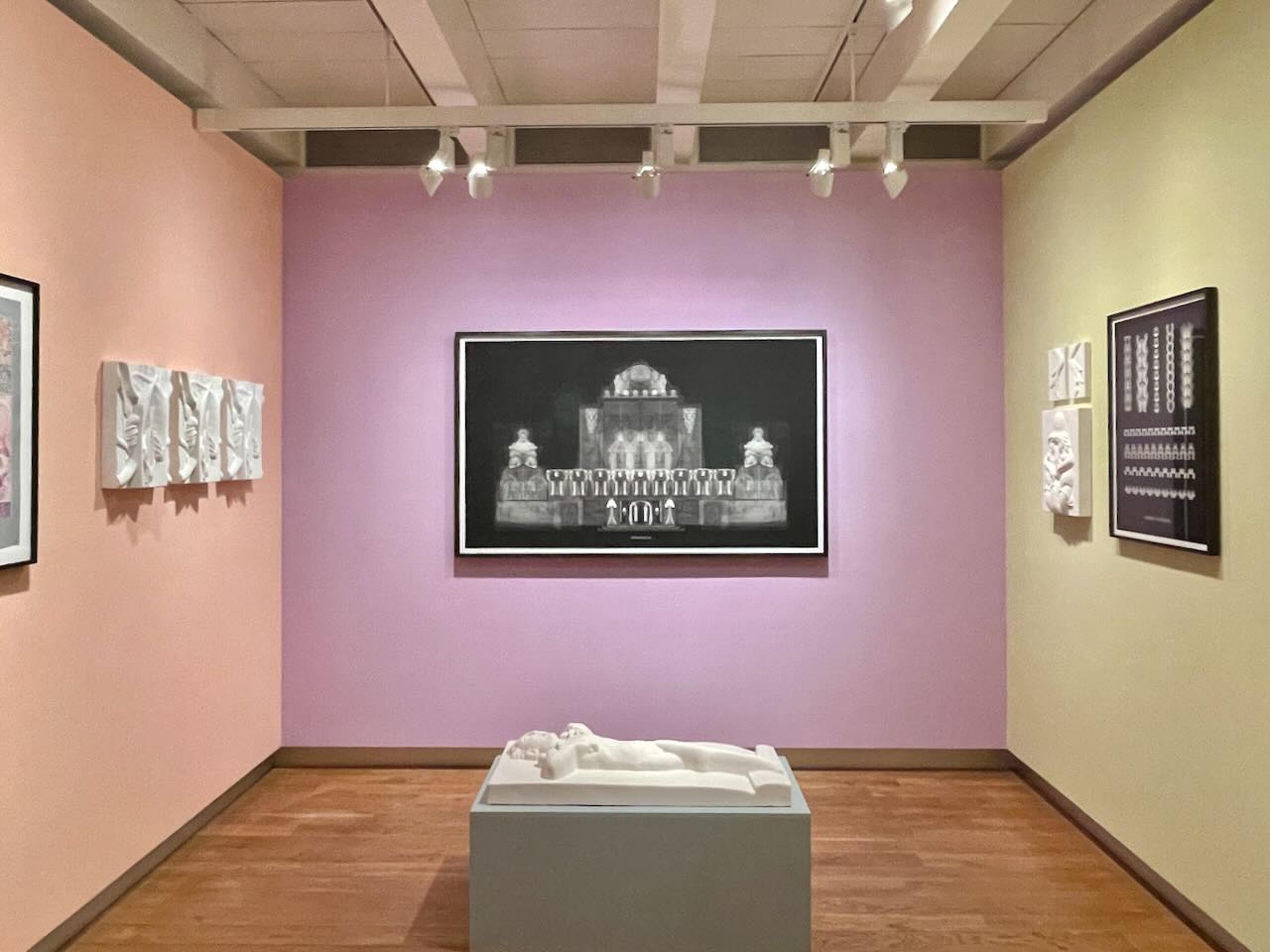
1 This project was created for the occasion of the Refresh Amsterdam #3: Imagine the future biënnale in the Amsterdam Museum︎︎︎ (11 july - 30 nov 2025).
2 The Amsterdam School︎︎︎ (Dutch: Amsterdamse School) is a style of architecture that arose from 1910 through about 1930 in the Netherlands.
3 The project title contains a reference to the Bilderatlas Mnemosyne by Aby Warburg︎︎︎.
4 Eye movement desensitization and reprocessing (EMDR︎︎︎) is a form of psychotherapy designed to treat post-traumatic stress disorder (PTSD).
2 The Amsterdam School︎︎︎ (Dutch: Amsterdamse School) is a style of architecture that arose from 1910 through about 1930 in the Netherlands.
3 The project title contains a reference to the Bilderatlas Mnemosyne by Aby Warburg︎︎︎.
4 Eye movement desensitization and reprocessing (EMDR︎︎︎) is a form of psychotherapy designed to treat post-traumatic stress disorder (PTSD).
Theatrum Mnemosynes
The visual material is sourced from historical medical books on pediatrics: photographs of deformities, lesions, microscopic views of cancer cells – images originally burdened with trauma, loss, and clinical detachment. Through processes of repetition, mirroring, and transformation—echoing the logic of ornament—I attempt a kind of visual EMDR: softening, fracturing, and reassembling the images into textures and shapes that hover between attraction and unease.
These ornaments are not mere decoration; I consider them quiet vessels of unspoken histories. They exist in the tension between the personal and the collective, the fragment and the whole, where past and present, loss and potential, meet in a single arresting form. In this theatre of memory, the visible and the invisible are woven together, inviting a different way of sensing, of remembering, of seeing.